Finnish Practice
Helsinki · 1970s onwards
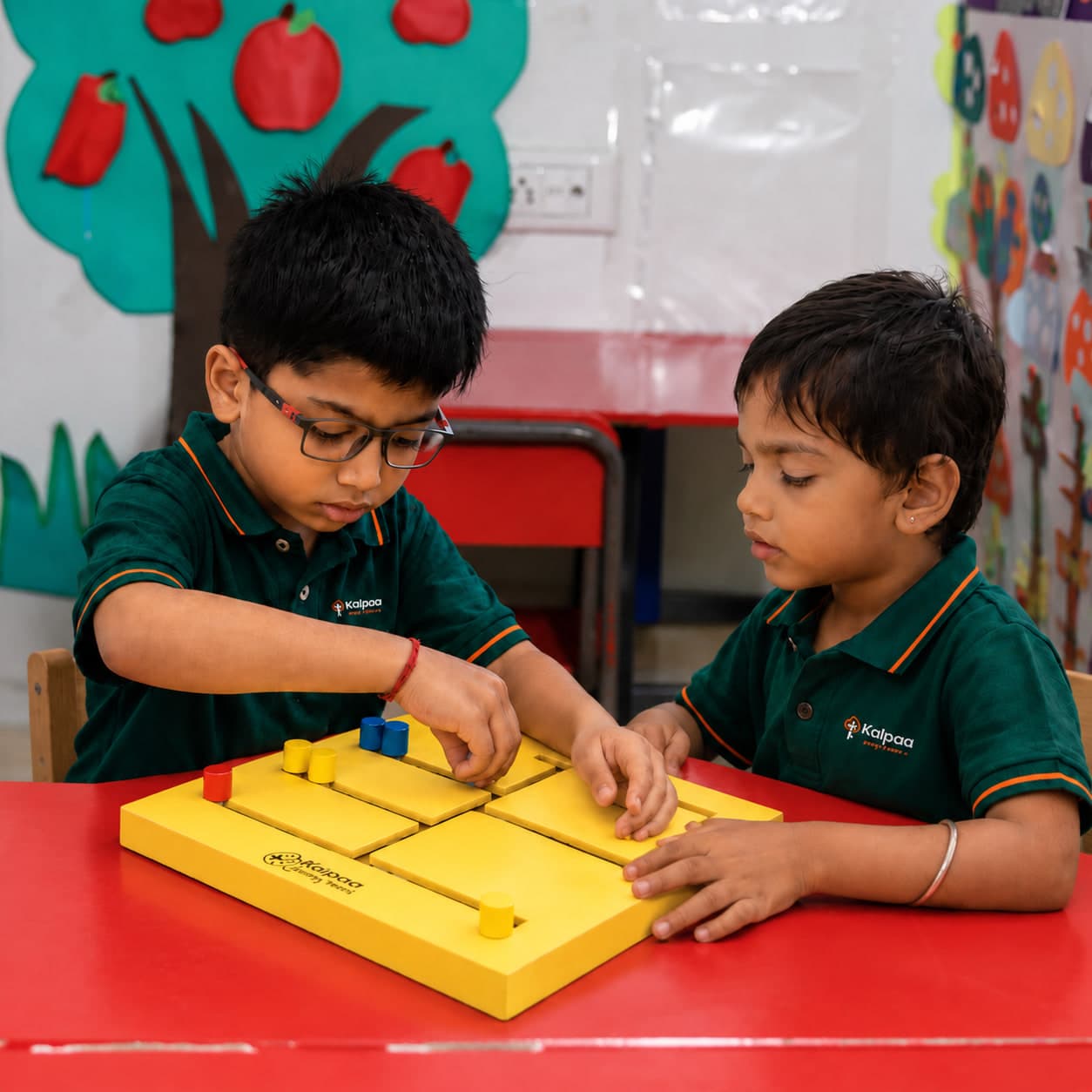
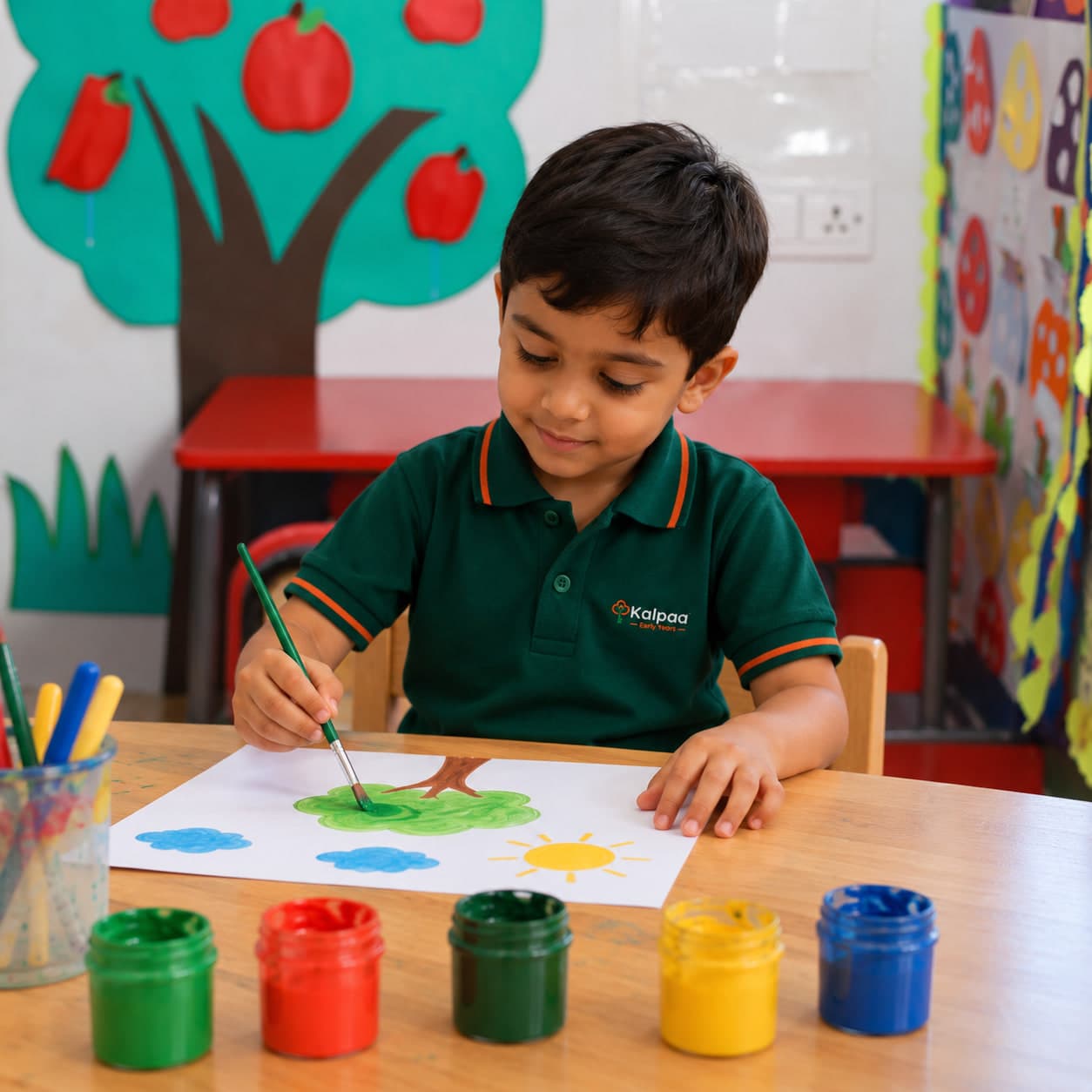
Play is the curriculum, not the reward. Children are given time, trust and unhurried mornings — and teachers observe far more than they instruct.
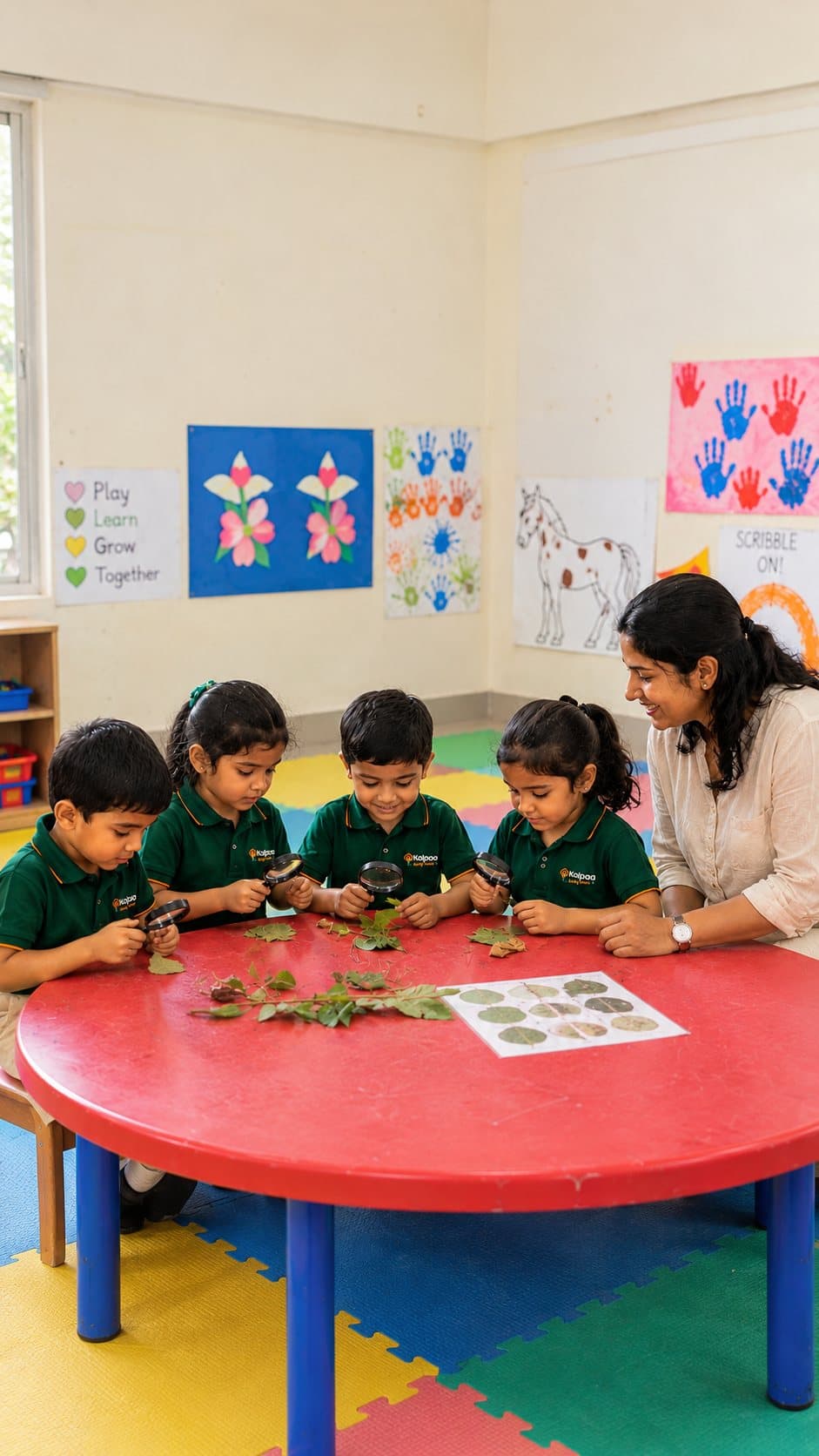
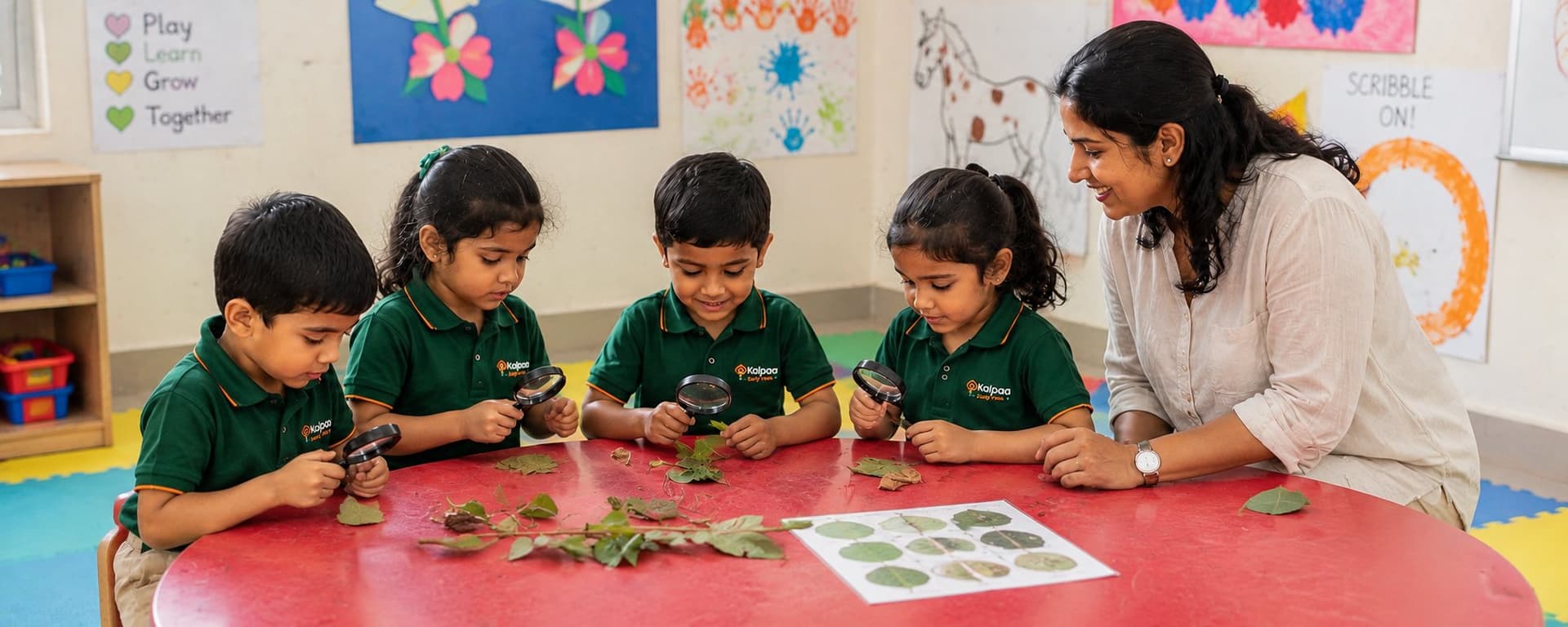
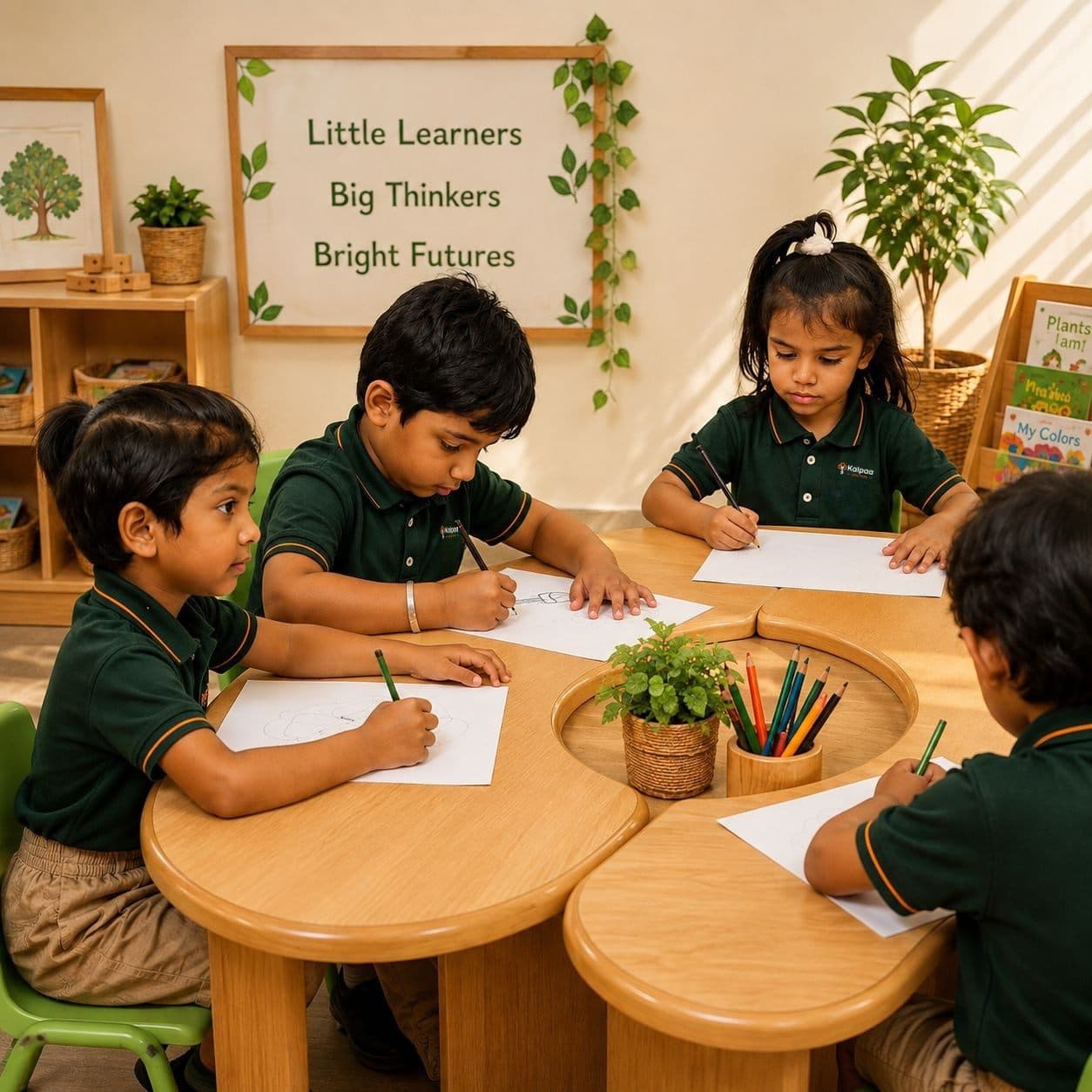
Children learn the way childhood actually works — through movement, materials, stories and each other. Our pedagogy gathers the world’s most trusted early-years thinking into one warm, unhurried Indian classroom.
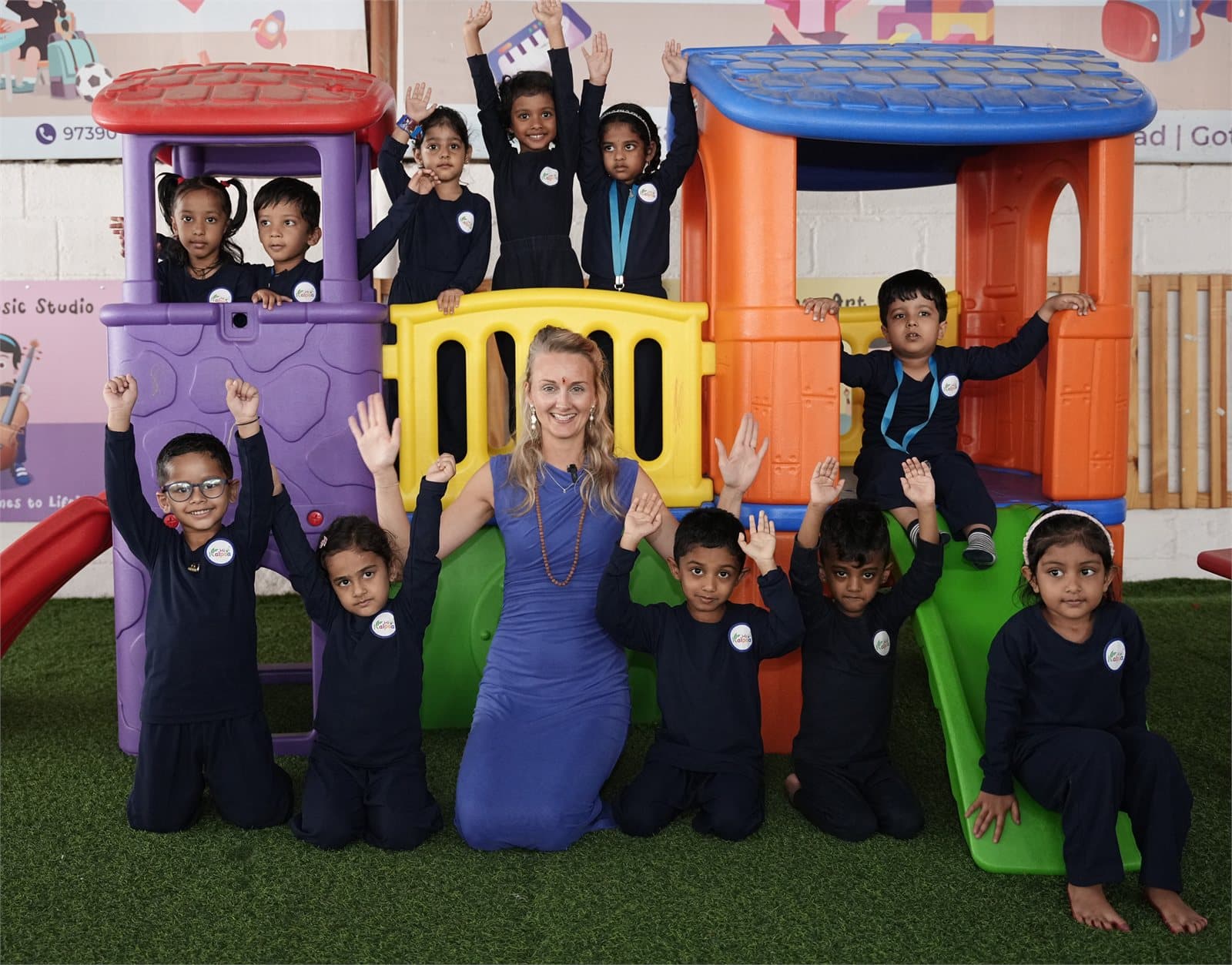
The Finland Connection
Finland asked a question that reshaped early education: what happens if we stop hurrying children? We took it seriously — then asked a second one. What does that look like in India.
Our Pedagogy
We wove our framework across four international approches and tailred it for indian classroom.
Helsinki · 1970s onwards
Play is the curriculum, not the reward. Children are given time, trust and unhurried mornings — and teachers observe far more than they instruct.
Northern Italy · 1945
The child is capable and curious. Projects follow the questions children actually ask, and their thinking is made visible on the walls of the room.
Stuttgart · 1919
Rhythm, imagination and the hand. Natural materials, songs, stories and seasons give the year a shape a young child can feel before they can explain it.
Contemporary practice
Wonder meets method. Building, testing, measuring and making — art and engineering treated as the same instinct, because for a five-year-old they are.
How We Teach
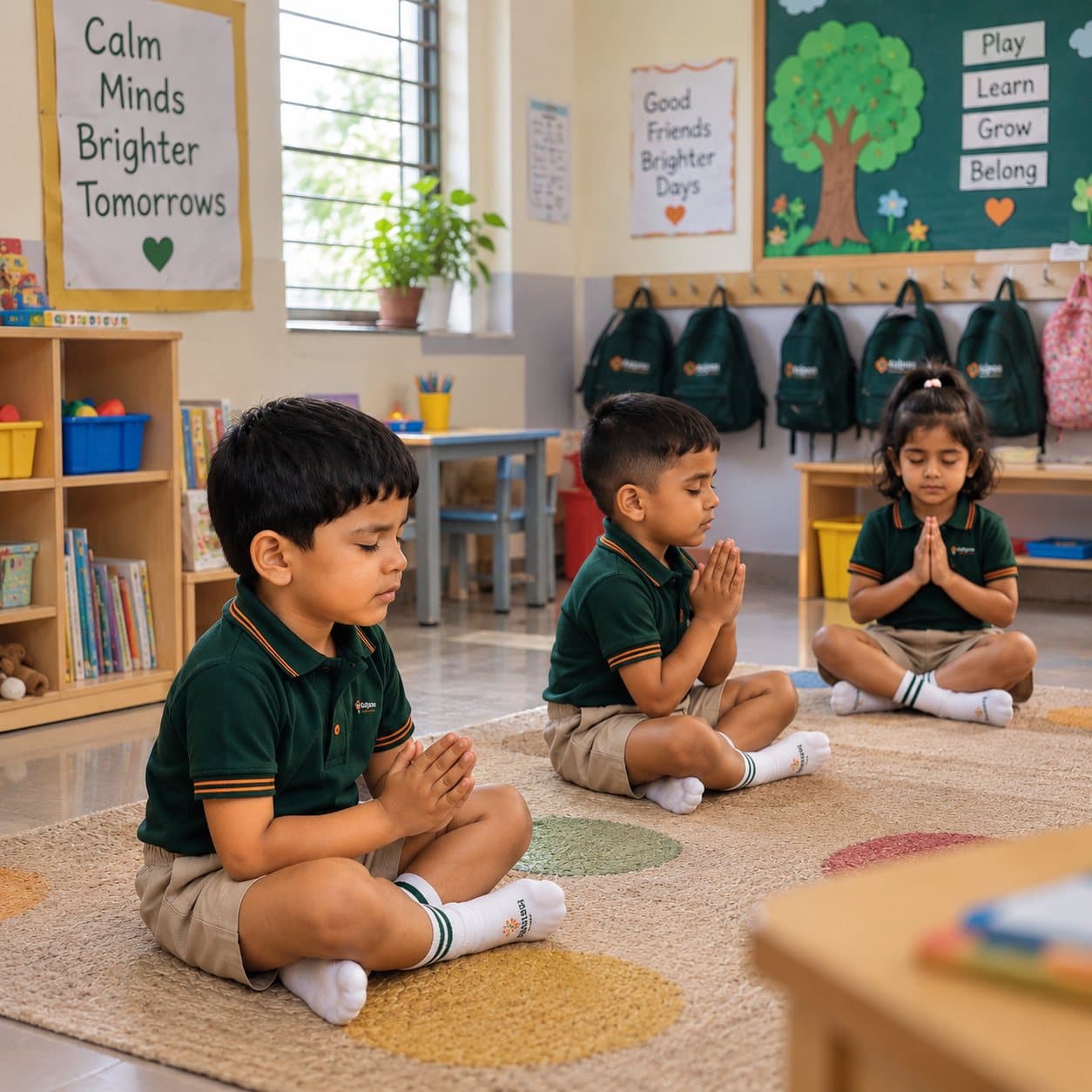
Three stages, every single time — because a child who has lived inside an idea can tell you all about it afterwards.
ToldThe story arrives
A concept is never announced; it is narrated. Our Kalpaa mascots carry the idea into the room — a problem to solve, a friend in trouble, a place worth visiting. The children lean in before they realise they are learning.
The Kalpaa Framework
Every lesson plan, every classroom and every teacher conversation is checked against these six. Open one to see how it shows up on an ordinary Tuesday.
See It For Yourself
Come watch a circle time, an atelier session and a retelling — no appointment small talk, just a real classroom on a real day.